Types of Dharma Gates Offerings
Retreats
Retreats at Dharma Gates are residential practice experiences rooted in lineage-based Dharma transmission and held within a strong supportive container.
Most retreats are held in noble silence. Participants arrive, settle in, and share an opening meal and orientation together before formally entering silence. This initial time together supports grounding, connection, and clarity before the deeper inward turning of the retreat begins.
Noble silence means refraining from unnecessary talking, including social courtesies, as well as refraining from reading, writing, and technology use unless explicitly invited by the teacher. This silence a collective gift we offer one another to help simplify our experience, support
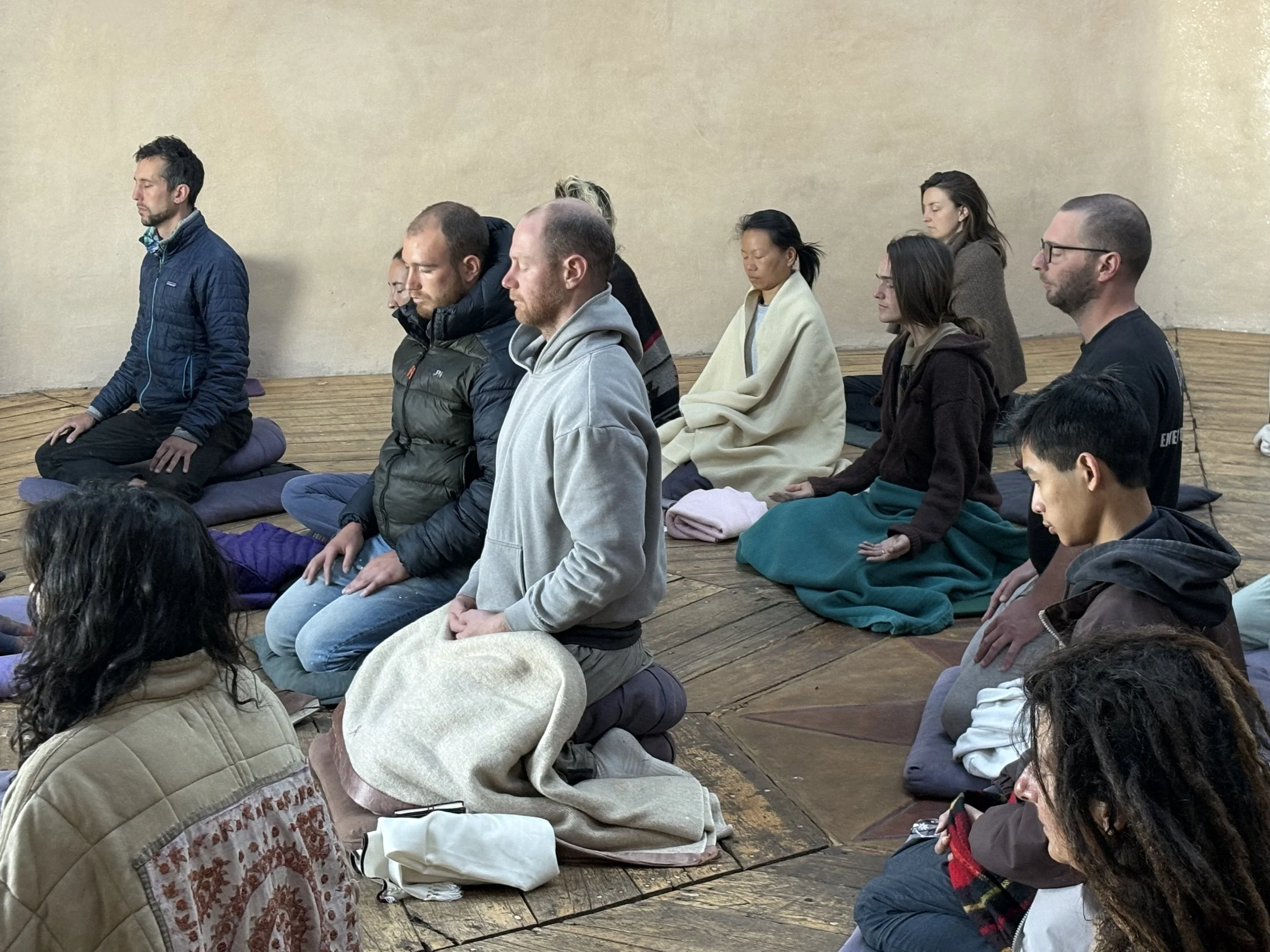
the settling of the mind, and make space for clearer seeing. Silence is held with care and flexibility around urgent matters: participants may speak with teachers, retreat managers, or staff as needed. Most retreats will either have 1:1 practice check-ins with the teacher and/or Q&A sessions where speaking will occur, and practical communication happen as necessary.
Retreats are practice-heavy and experiential, rather than conceptual or lecture-based. They are an opportunity to step out of ordinary life and provide ideal conditions to deepen one’s practice. Days are structured around sitting and walking meditation, with additional practices such as chanting, mindful work practice, and lineage-specific forms depending on the teacher and retreat. Dharma talks and teachings support the practice. The primary emphasis is on direct experience, inquiry, and sustained engagement with the practice.
All retreats are led by Dharma teachers with permission to teach from within their lineage, many of whom are current or former monastics or long-term senior practitioners.
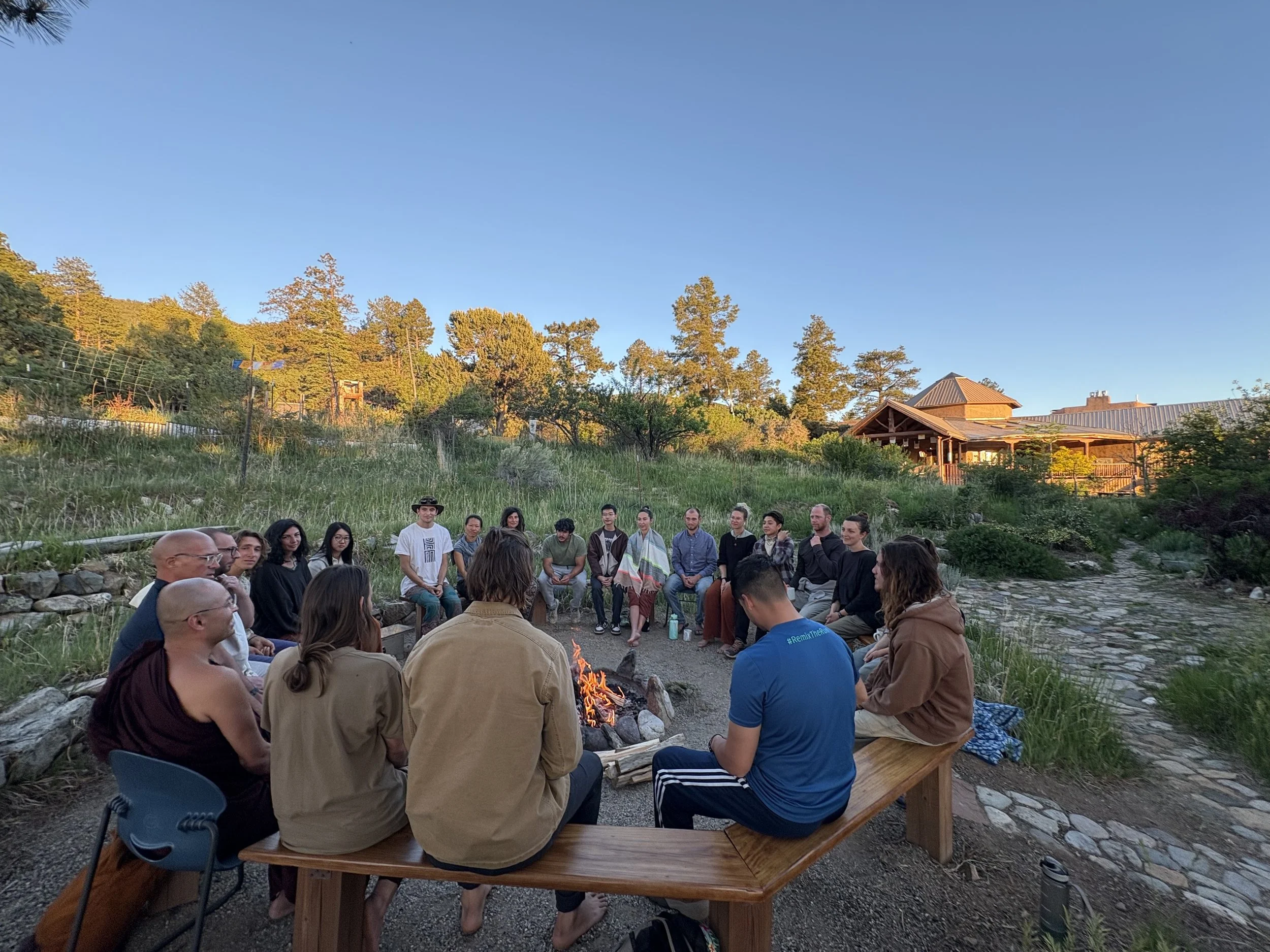
The retreat container is intentionally strong and supportive. Retreats are residential, typically lasting between three and eight days, with full days of scheduled practice from early morning through to the evening. Participants are expected to engage fully in the schedule and collective practice. Some retreats offer slightly more spacious schedules, with clearly indicated periods for individual practice, while still maintaining shared structure and rhythm. Others are more structured, where the spaciousness of the retreat is discovered through surrendering to the flow of the schedule and being fully present with what is happening as it happens.
Some retreats may be more appropriate for newer practitioners, while others assume participants have some meditation experience — for example, having completed a weekend or weeklong retreat previously. The level of experience recommended will be clearly indicated on each retreat’s page. That said, beginners interested in a more advanced retreat, or experienced practitioners looking at a beginner retreat, are always welcome to reach out to the team to discuss whether the retreat could be a good fit.
Immersions
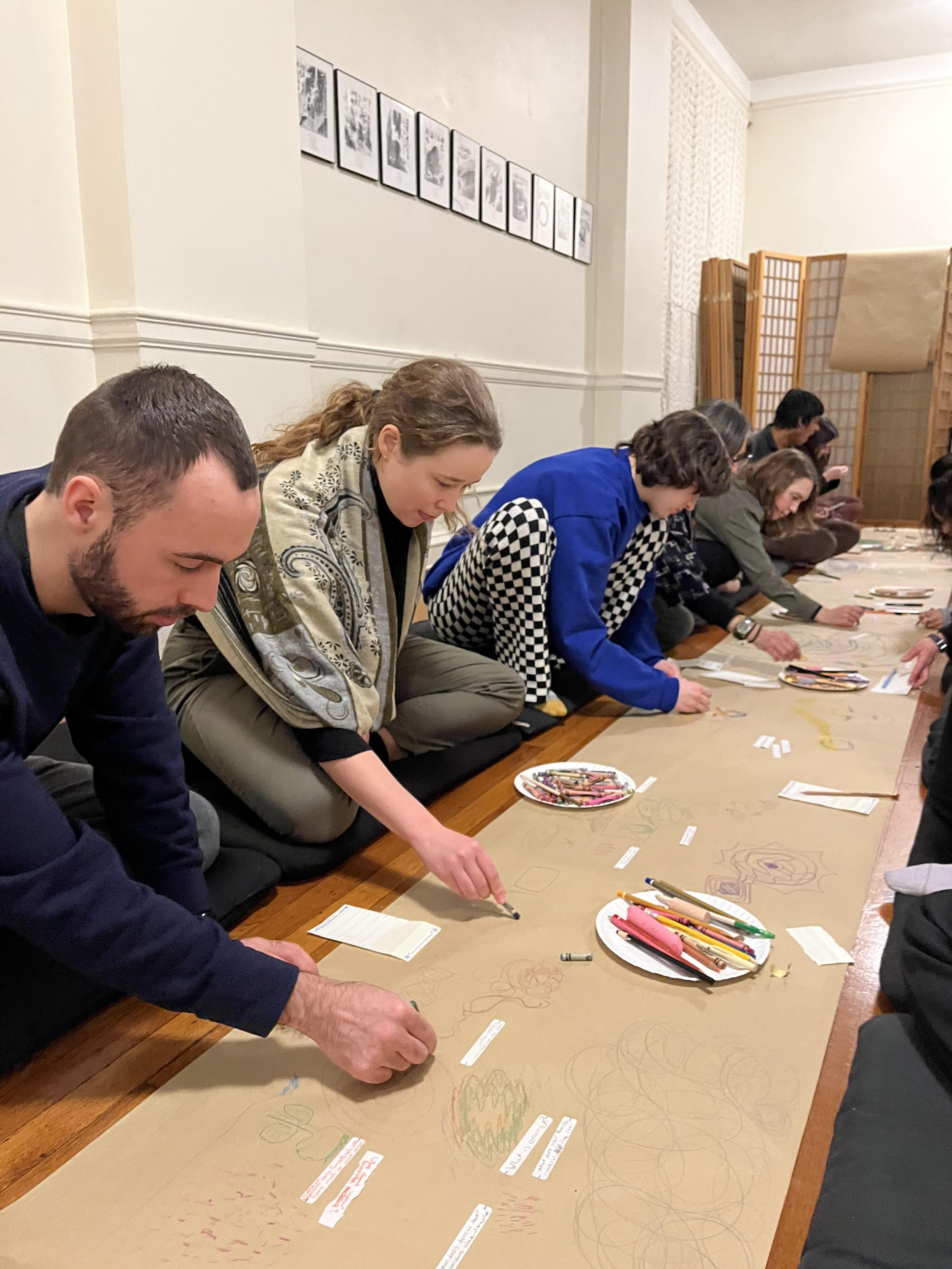
Immersions at Dharma Gates are multi-day experiences designed to introduce participants to the life and flow of a monastic or lineage-based community. Periods of silence may be included in the schedule, often in the early morning and evening, but silence is not central and the experience generally alternates between structured practice and more interactive, relational engagement.
Immersions typically take place at pre-existing monasteries or practice centers, offering participants a chance to be fully immersed in the rhythms of community life. Our past immersions have included elements such as sitting or walking meditation, chanting, study, mindful work practice, art, somatic or energetic practices, group discussions, Q&A sessions, and relational exercises. Compared with retreats, immersions often feature more conceptual learning, discussion, and interactive elements, allowing participants to explore how practice is
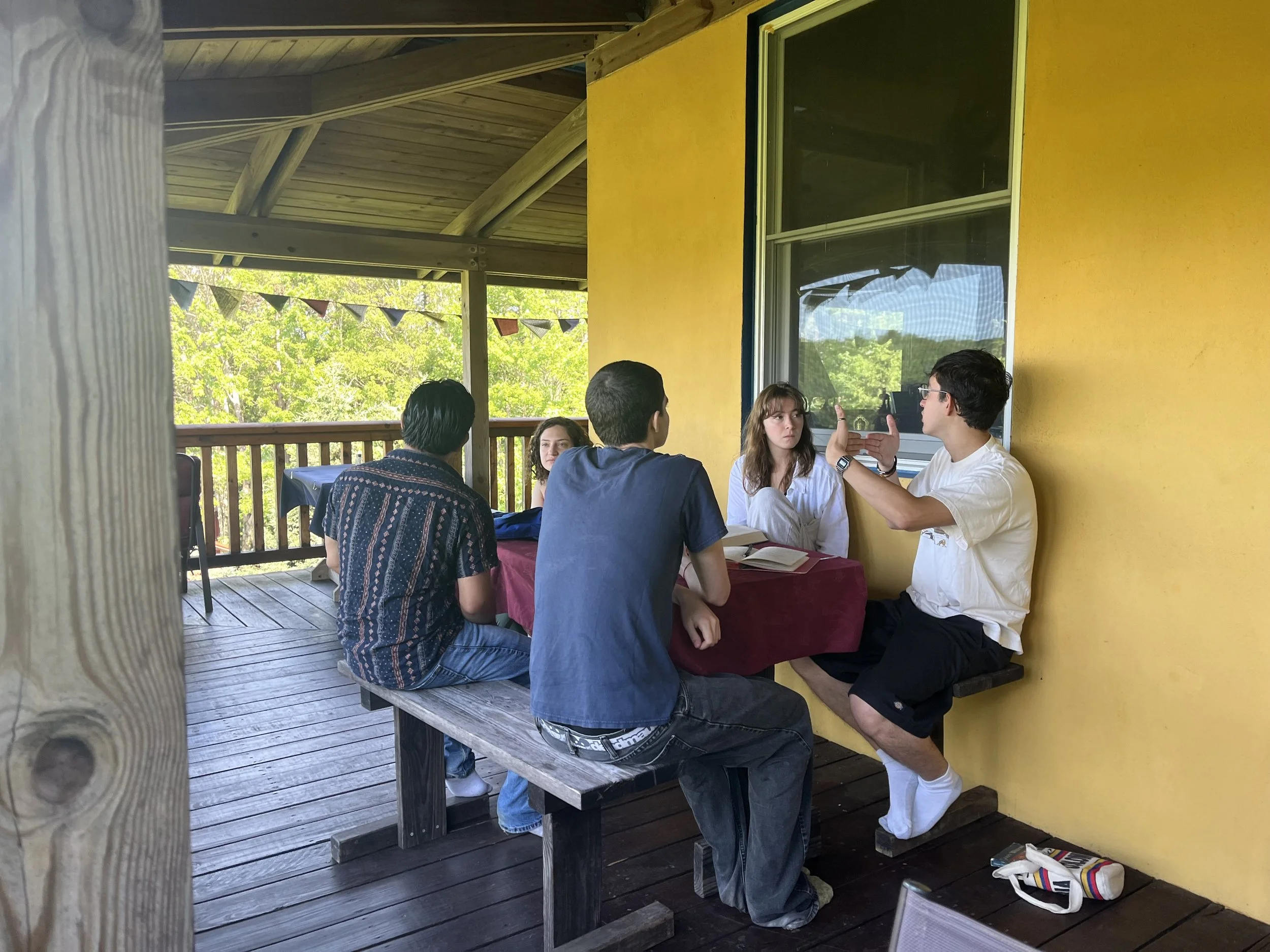
integrated into daily life and community. All immersions are guided by Dharma teachers, with permission to teach from within their lineage, often monastics. Participants also benefit from engaging with the broader community, learning from the lived example of residents, volunteers, and sangha members. Meals and other daily routines are opportunities for connection, conversation, and learning.
Immersions may have a multi-day progression, either conceptually or experientially, and often include opportunities for sharing and reflection. These experiences are generally accessible to a wide range of practitioners. Like retreats, the most important qualities for participants are sincerity, openness, and wholehearted engagement, rather than any specific background or skill level.
Workshops
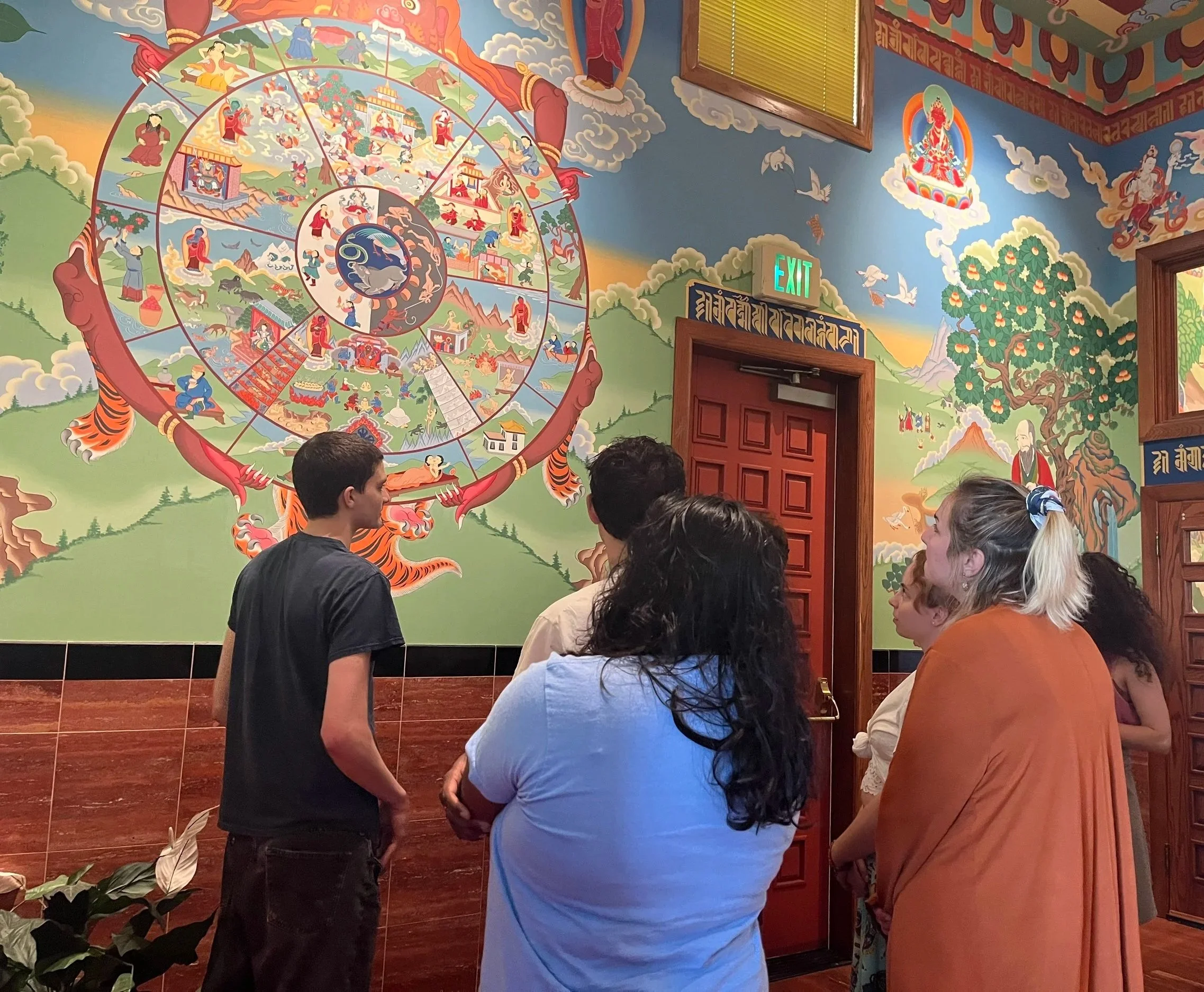
Workshops at Dharma Gates are shorter, practice-oriented learning experiences designed to introduce participants to specific aspects of Dharma practice, meditation, or community engagement. They are generally not silent, though some periods of quiet or reflection may be included, similar to immersions.
Workshops are primarily talk and teaching heavy, supplemented by experiential exercises and educational activities. Workshops emphasize learning, exploration, and experimentation rather than the sustained, immersive, experiential practice of a retreat. Workshops may include lectures, conceptual teaching, Q&A sessions, and opportunities to try out different practices or approaches in a contained, supportive environment. Workshops can be led by Dharma teachers or senior practitioners/trained facilitators. While facilitators typically have specific authorization to teach the material covered in the workshop, broader permission to teach all Dharma practices is not required.
Duration is generally one to four days, and workshops may be residential or commuter-style. Residential workshops offer full-day experience on-site, while commuter workshops allow participants to return home at night. The container may be more or less structured depending on the format, with residential workshops typically having a firmer schedule. Participants should not expect a silent retreat or monastic immersion.